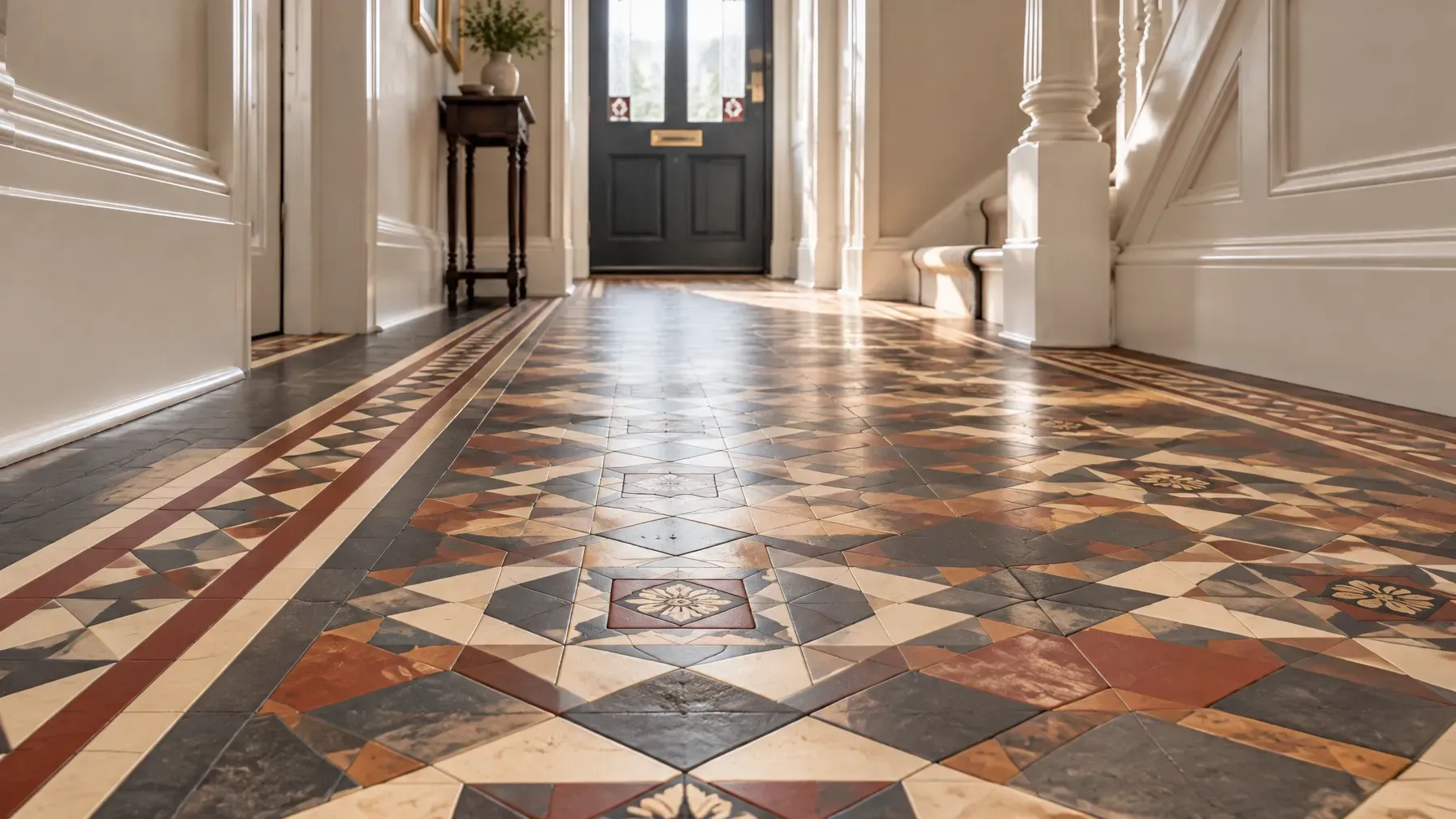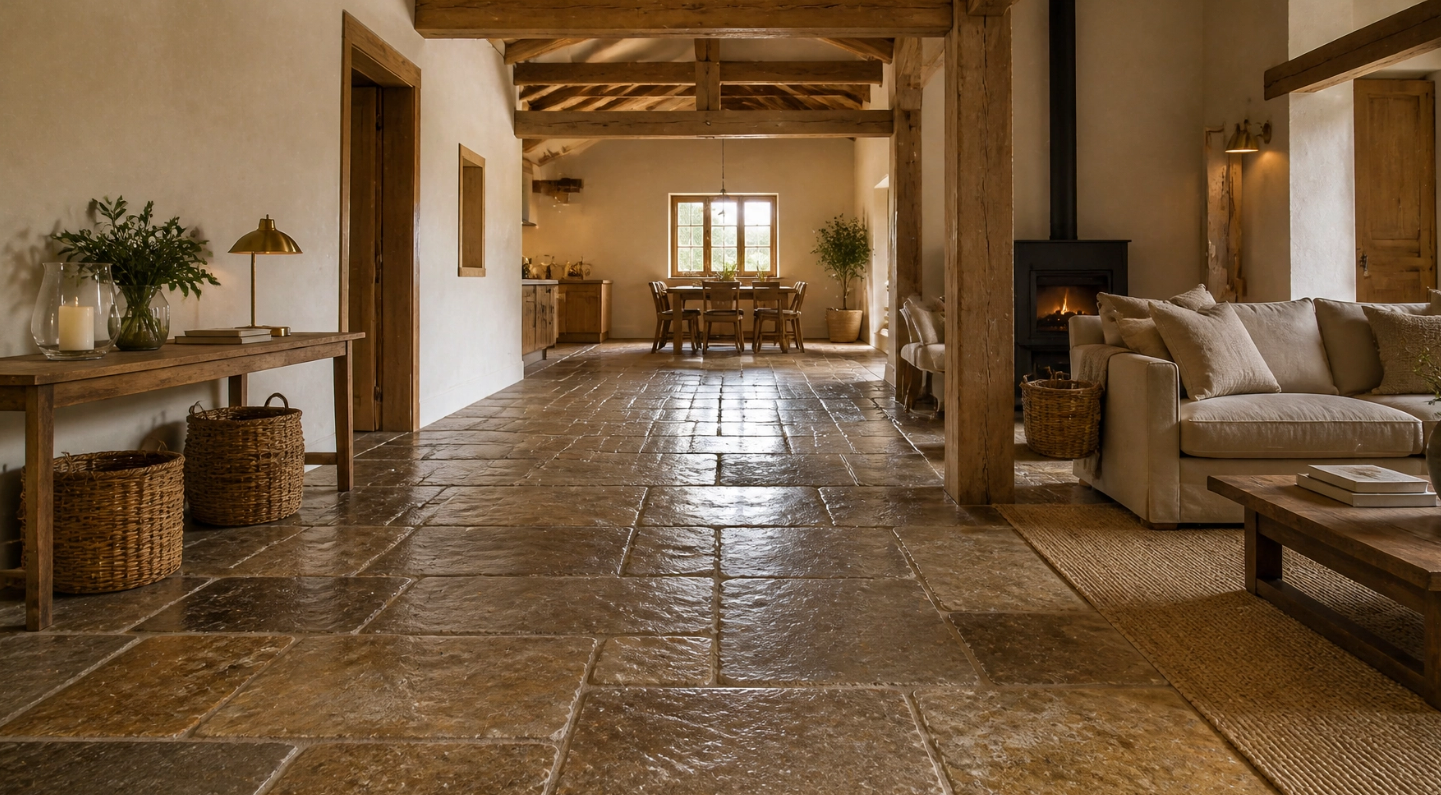
What's involved in a Stone Floor Restoration
A Step-by-Step Look at What Stone Floor Restoration Involves
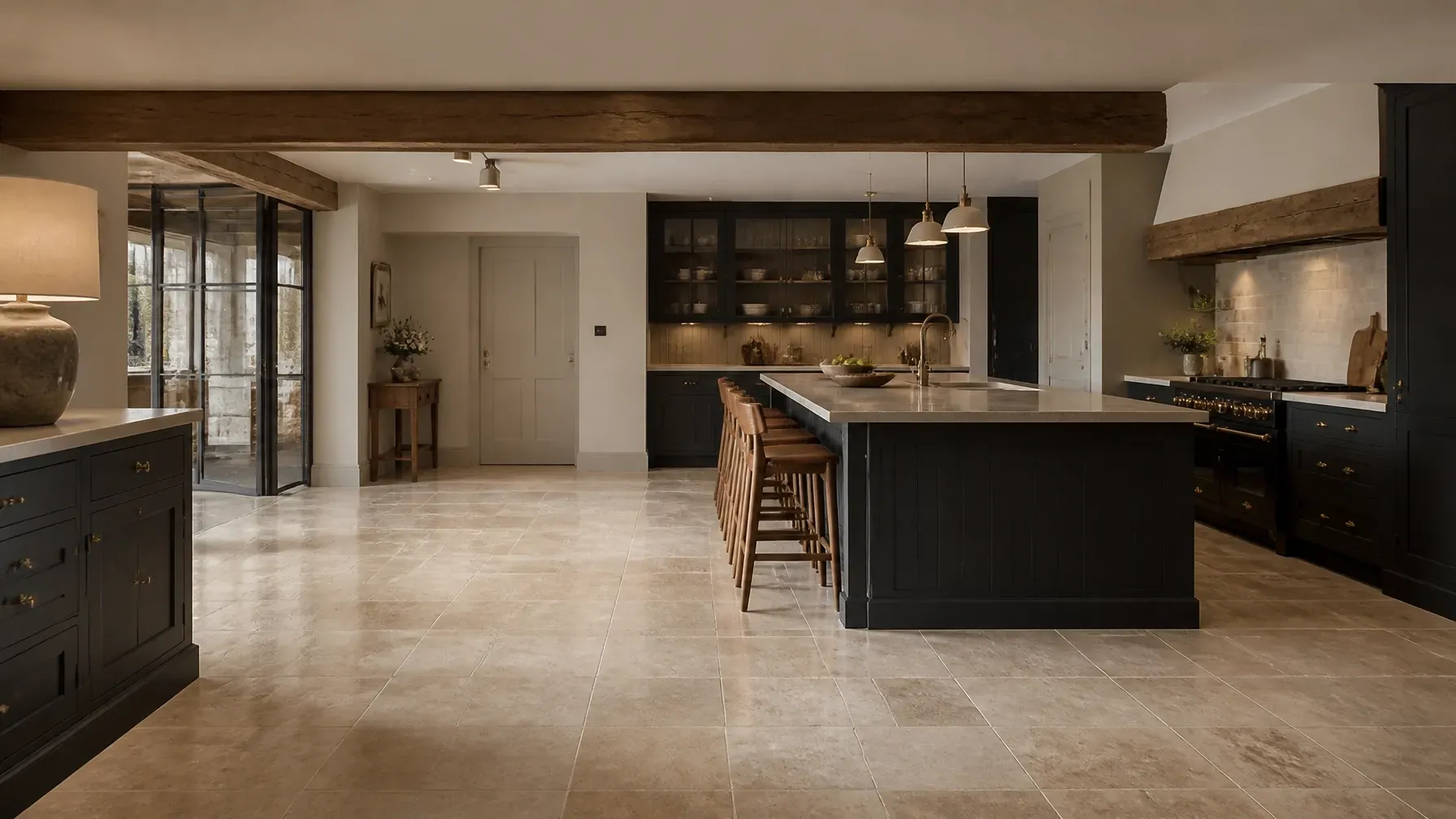
A tired stone floor does not always need to be removed and replaced. In many cases, professional **stone floor restoration** can improve its colour, finish and condition while preserving the material that already belongs in the property.
The right approach depends on the stone, its current condition, the finish you want and how the floor is used. Marble in a hallway may need a different treatment from original limestone in a period kitchen or slate in a busy entrance.
At Luxe Stone Restore, we assess each floor carefully before recommending suitable cleaning, restoration and protection. Here is what the process generally involves.
A Careful Assessment Of The Floor
Every restoration begins with an inspection. We identify the type of stone or hard flooring, look at its condition and discuss the result you want to achieve.
We check for dull areas, staining, scratches, worn patches, surface marks, damaged grout, chips, cracks and uneven tiles. We also look for old waxes, coatings or unsuitable products that may affect the appearance of the floor.
This assessment matters because the visible problem is not always the underlying problem. A floor may look dirty when the real issue is a worn finish. It may appear permanently stained when the mark is sitting within an old coating. Some surfaces need a full restoration, while others may benefit from careful cleaning and sealing alone.
We will explain what is suitable for your floor and what may not be necessary. This gives you a clear recommendation before work begins, without committing to an unsuitable treatment.
Preparing The Room With Minimal Disruption
Professional preparation helps protect the room, its fittings and the surrounding surfaces. Furniture is moved where appropriate, nearby areas are protected and the working space is kept as clean and controlled as possible.
We plan the work around the property and its normal use. For domestic customers, this can be particularly important in kitchens, hallways and open-plan areas that form part of everyday life. For commercial customers, suitable scheduling can help reduce disruption to staff, visitors and customers.
The aim is to create a safe, organised working area while keeping inconvenience to a sensible minimum. We will also advise when the floor can be walked on again and when any protective treatment needs time to settle.
Deep Cleaning To Remove Built-Up Dirt
Stone and hard flooring can hold years of tracked-in grit, oils, food residue, soap deposits and general household dirt. Standard mopping may remove surface dust, but it often cannot restore the deeper appearance of the floor.
We use suitable professional cleaning methods to lift ingrained dirt without treating every material in the same way. Grout lines, edges and textured areas receive careful attention because these can make a clean floor still appear dull or uneven.
Where an old wax or surface coating is present, it may need to be removed before further restoration. This allows us to see the true condition of the stone and prevents the new finish from being affected by an unsuitable layer underneath.
A thorough clean can make the floor look brighter and more consistent. It also provides a sound base for any repairs, honing, polishing or sealing that follows.
For more information about the services we provide, visit our [stone and hard floor restoration services](https://www.luxestonerestore.com/services).
Diamond Grinding Where The Surface Needs More Correction
Diamond grinding is only used when the condition of the floor calls for it. It is not required for every restoration.
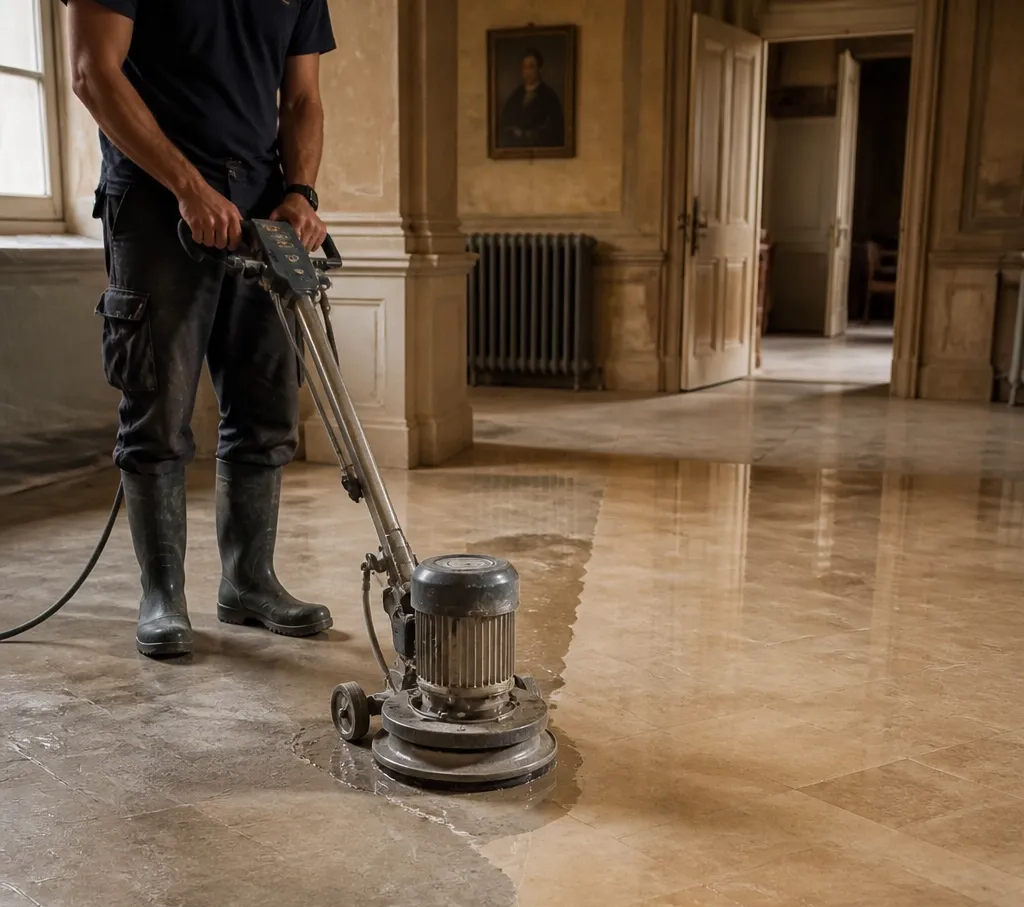
In simple terms, this stage uses specialist abrasive pads to remove a very fine layer from the surface. It can help address deeper scratches, heavy wear, stubborn marks and uneven tile edges. The process is similar in principle to carefully sanding timber, but it is designed for hard flooring materials.
Grinding can be helpful where individual tiles sit at slightly different heights or where years of use have created pronounced wear patterns. By carefully correcting the surface, we can create a more even foundation for the later stages.
This is precise work. The amount of material removed must be controlled, particularly in older floors and original heritage surfaces. We will advise whether grinding is appropriate or whether a lighter treatment can achieve the improvement needed.
In many homes across Hampshire, Wiltshire and Surrey, the floor itself is an important part of the property’s character. A careful assessment helps protect that character rather than removing more of the original surface than necessary.
Honing For A Smoother, More Consistent Finish
Honing refines the surface after heavier correction, or it may be the first mechanical treatment where the floor has lighter wear.
The result is usually a smooth, even finish with a soft matt or satin appearance. This can suit kitchens, hallways and other busy areas because it provides a refined look without always emphasising every small mark or sign of use.
Honing can improve the consistency of the floor by reducing visible dull patches and light surface scratches. It also creates a better base if you later choose a polished finish.
The finish is tailored to the material and your preferences. Some homeowners prefer a natural, low-sheen appearance, particularly in period properties. Others want more light reflection and a sharper finish in a contemporary interior.
Polishing To Restore Clarity And Sheen
Polishing is used when the stone is suitable for a brighter or more reflective finish. It uses progressively finer polishing materials to refine the surface and improve the way it reflects light.
On appropriate marble and other polished stones, this can restore a clearer, smoother appearance. It may help bring out the natural colour and veining that has become muted through foot traffic, cleaning products or general wear.
A polished finish is not always the right choice. A softer satin finish may be more practical for a busy family kitchen or commercial entrance, while a higher sheen may suit a formal hallway or reception area.
We will discuss the finish before work begins so the final result reflects the property, the surface and the level of maintenance you want to provide.
Sealing For Longer-Term Protection
Many natural stones are porous. This means liquids and staining materials can be absorbed if the surface is left unprotected.
Once the floor has been cleaned and restored, we may recommend a suitable sealer. A professional sealer helps reduce the rate at which water, oils and everyday spills enter the stone. It does not make the floor completely stain-proof or scratch-proof, but it can make the surface more resistant and easier to maintain.
The correct sealer depends on the material and the finish. Some products protect without noticeably changing the appearance, while others may enhance the colour or deepen the natural tones.
We will also explain how long the floor needs to remain undisturbed and provide practical aftercare advice. Regular dust removal, prompt attention to spills and suitable cleaning products can all help protect the finished surface.
What Can You Expect After Restoration?
The result will depend on the original material and its condition, but professional stone floor restoration can help deliver:
A cleaner and brighter appearance
A smoother, more consistent surface
Reduced visibility of everyday wear
Improved presentation of natural colour and pattern
Easier routine maintenance
Better protection against future staining
Preservation of original character where replacement is not desirable
Restoration will not erase every natural variation or historic mark. In a period or heritage property, these features may be part of what makes the floor valuable. Our aim is to improve the condition and finish while respecting the material.
You can read more about the benefits of [restoring rather than replacing a stone floor](https://www.luxestonerestore.com/why-you-should-restore-rather-than-replace-your-stone-floor).
Is Stone Floor Restoration Right For Your Property?
A floor assessment is the most reliable way to find out what can be achieved. We will consider the material, existing finish, damage, intended use and level of protection required before recommending a suitable solution.
Luxe Stone Restore provides specialist cleaning, restoration and maintenance for natural stone and hard flooring in domestic and commercial properties. Our approach is careful, practical and tailored to the surface rather than based on a standard treatment.
If your marble, limestone, slate, terrazzo, porcelain or other hard floor has become dull, stained or worn,
contact us to request an assessment We will advise on the most suitable way to improve its appearance, preserve its character and help protect it for the future.
Contact Us